The Hidden Costs: Analyzing the Impact of Inefficient Public Transportation in Urban Centers
Inefficient public transportation systems in major cities are causing significant economic and environmental impacts. Let's examine the root causes and propose innovative solutions for a more sustainable future.
Urban Development
The Hidden Costs: Analyzing the Impact of Inefficient Public Transportation in Urban Centers
Inefficient public transportation systems in major cities are causing significant economic and environmental impacts. Let's examine the root causes and propose innovative solutions for a more sustainable future.
You can take notes here
Efficient public transport starts with strong institutions
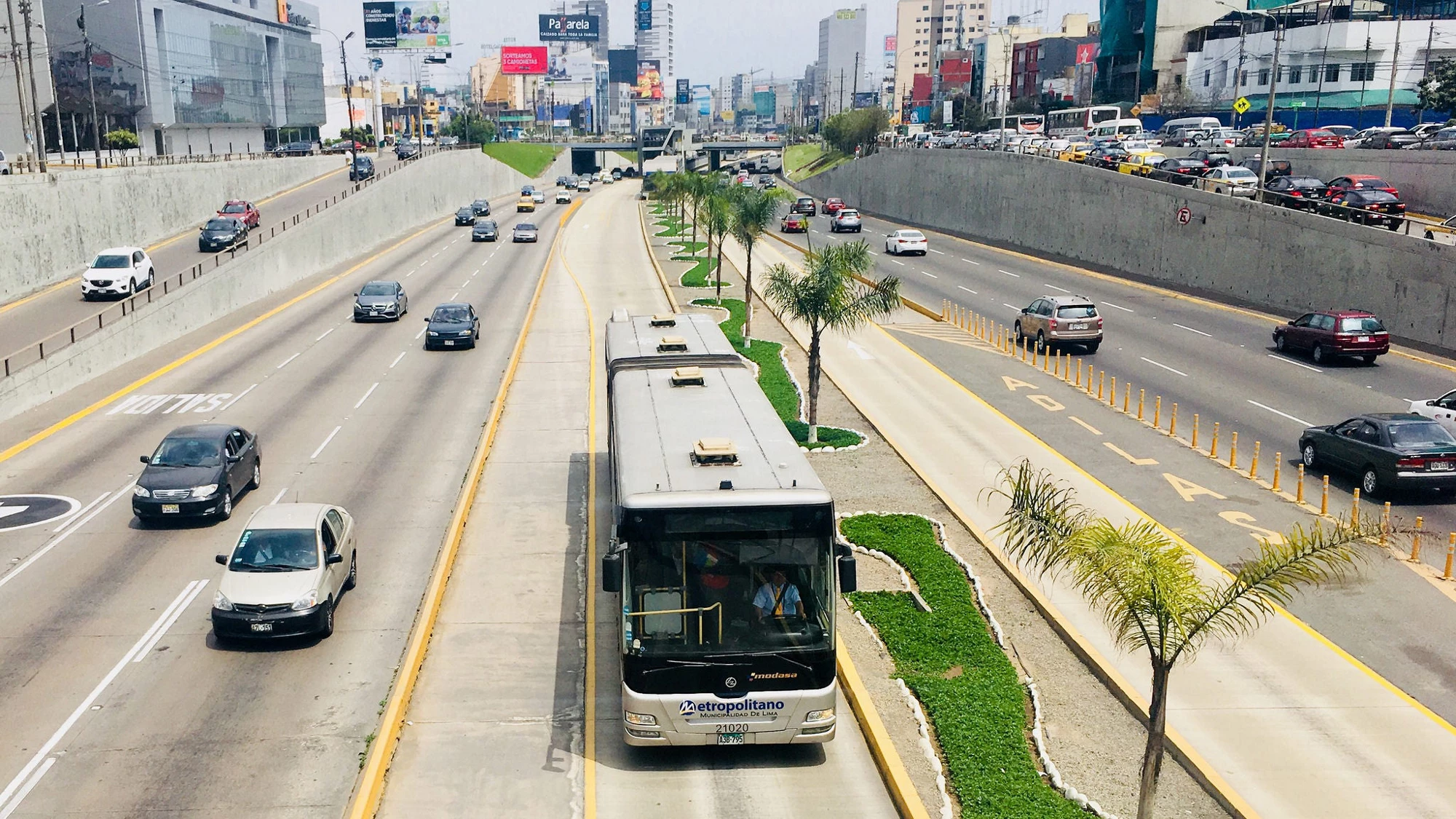
A few years ago, the World Bank drew on the experience of cities around the world to highlight important lessons learned and best practices for setting up effective transport agencies.
It aims to reduce traffic congestion, lower emissions, and improve overall quality of life in urban areas.
The Ideal of Efficient Public Transportation
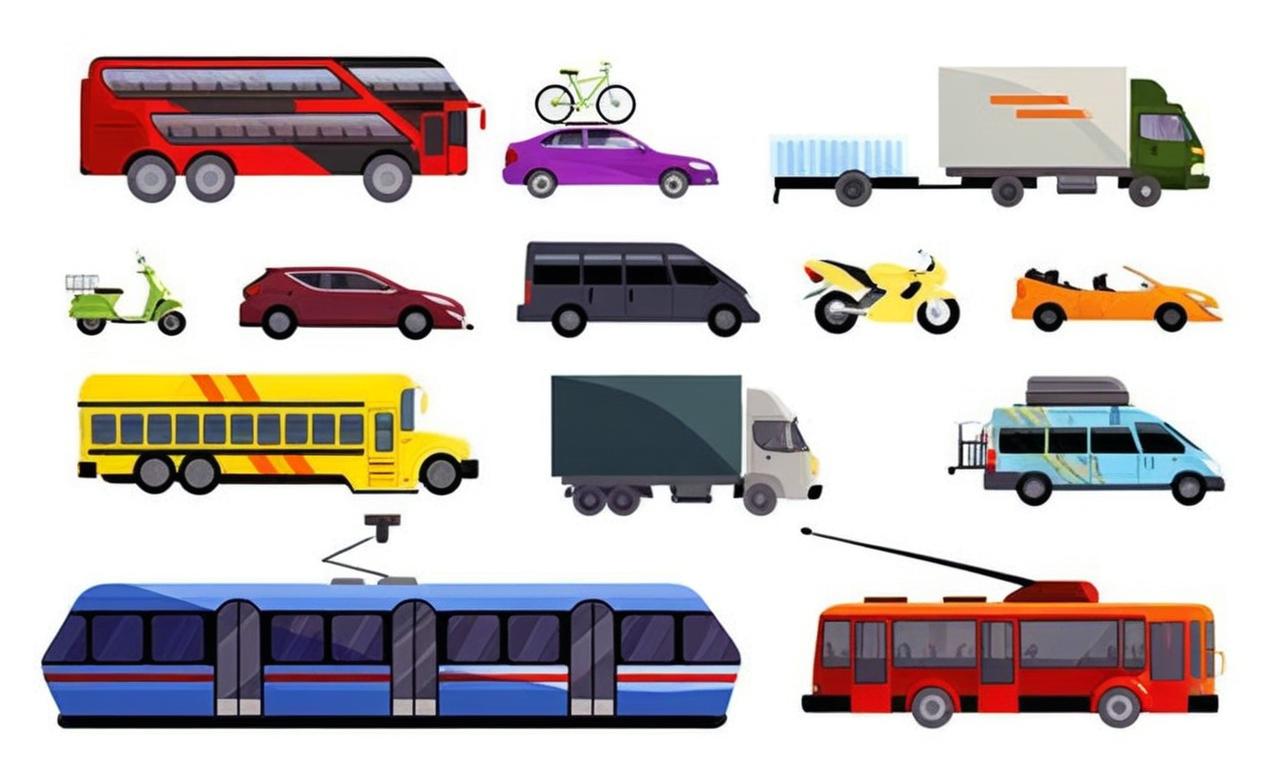
An efficient public transportation system should provide reliable, affordable, and accessible services to all city residents.
It aims to reduce traffic congestion, lower emissions, and improve overall quality of life in urban areas.
Key Factors Contributing to Inefficiency
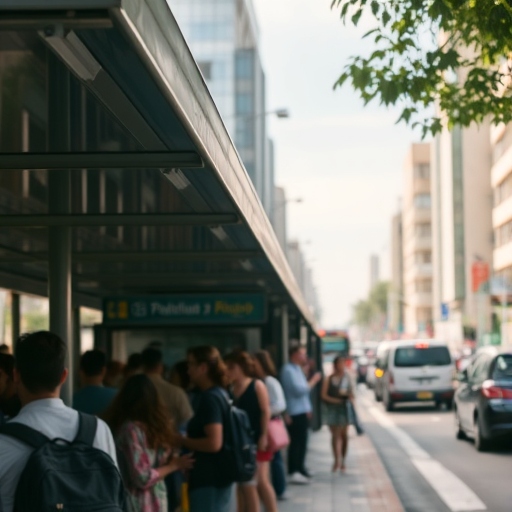
Many urban centers struggle with overcrowded buses, unreliable schedules, and inadequate coverage. These issues not only frustrate commuters but also contribute to increased private vehicle usage.
Outdated infrastructure, insufficient funding, and poor route planning are among the main factors exacerbating traffic and pollution problems in cities.
Proposed Solutions
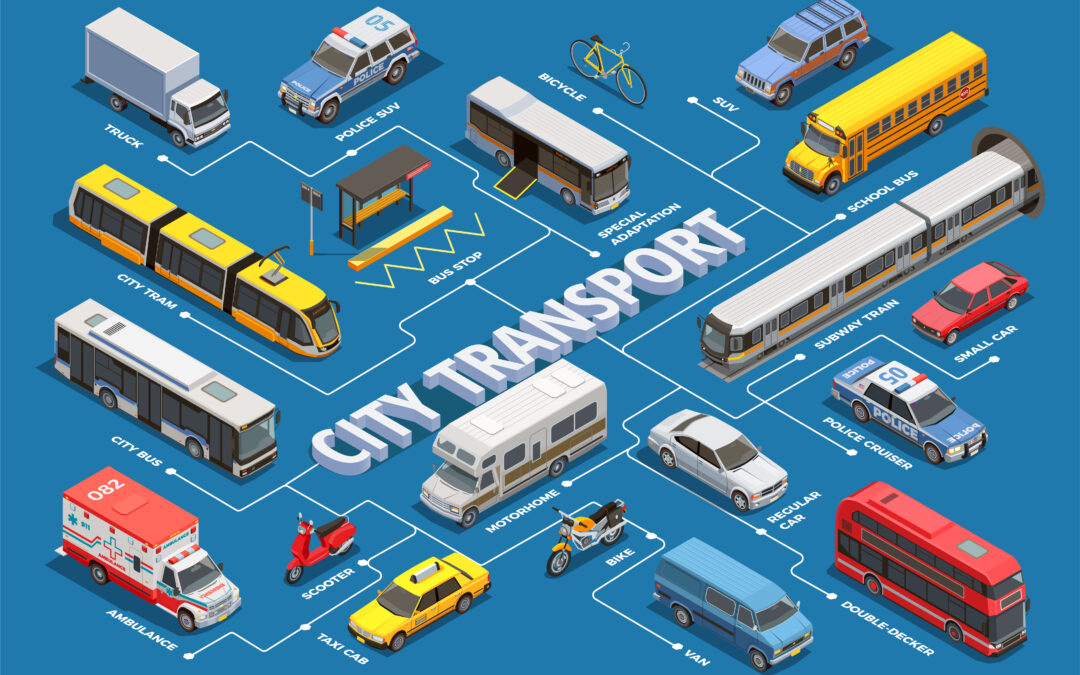
Implementing smart technology, prioritizing sustainable funding models, redesigning transit networks, promoting transit-oriented development, and electrifying public transit fleets are key solutions for creating efficient and sustainable urban transportation systems.